

.png)
Agentic AI in Grocery: Where It Actually Fits Across Retail Media, Promotions, and Service Recovery
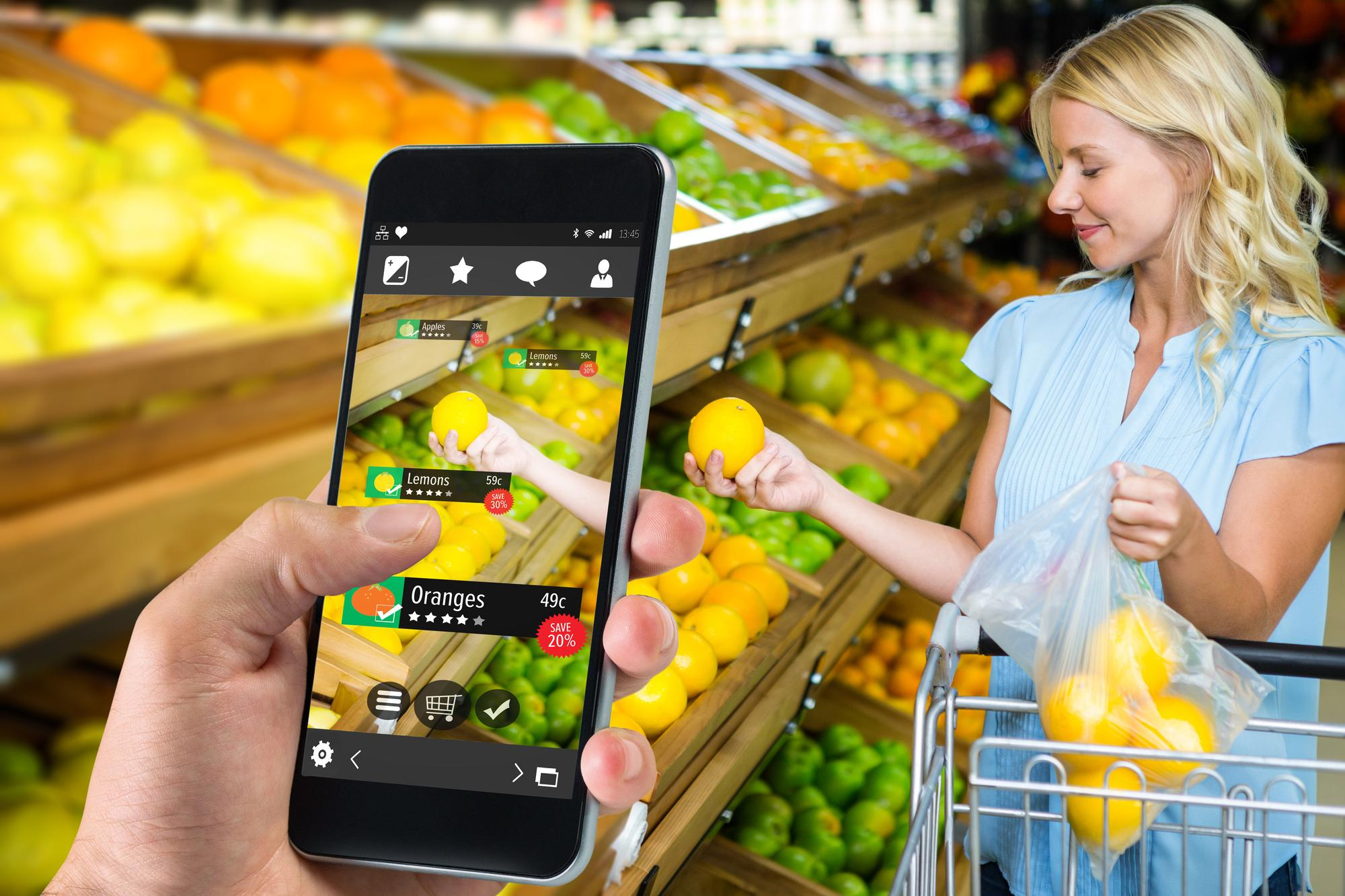
- Major grocers are embedding AI directly into live digital shopping environments, signaling a shift from pilot experimentation to operational integration.
- Retail media, promotions, and service recovery represent the most structurally aligned use cases for execution-layer AI systems.
- Grocery Doppio research indicates that performance outcomes increasingly depend on orchestration quality across systems rather than isolated feature optimization.
- As digital profitability pressures persist, AI’s relevance is becoming tied more to coordination and exception management than to front-end innovation alone.
Across the grocery industry, artificial intelligence is entering a phase of operational integration rather than isolated experimentation. Recent announcements from major retailers reflect this transition. Kroger has introduced an AI-driven shopping and meal-planning assistant capable of translating high-level requests into completed baskets. Albertsons has launched an AI tool that converts lists, recipes, and intent into structured shopping carts. Instacart has expanded its enterprise AI offerings to embed task-oriented capabilities directly into grocer storefronts. These deployments reflect a broader shift in how AI is being positioned within grocery operations.
What is often described as agentic AI refers to systems designed to take action within defined parameters rather than simply produce outputs. In grocery, this reframes AI from a discovery or engagement layer to an execution layer, capable of coordinating decisions across retail media campaigns, promotional mechanics, substitution logic, and service workflows. The significance of this shift lies not in the interface itself, but in how responsibility for assembling, adjusting, and resolving parts of the grocery journey increasingly resides within interconnected systems.
From pilots to operational use cases
Rather than being framed as exploratory pilots, these deployments position AI as embedded infrastructure within live retail environments. Kroger’s assistant operates within existing digital shopping journeys, Albertsons’ tool functions directly inside active e-commerce workflows, and Instacart’s enterprise AI capabilities are designed for integration across retailer storefronts. The emphasis is not on experimentation, but on execution within production systems.
This framing reflects a broader shift in how AI is being positioned across the industry. Instead of being introduced as standalone innovation initiatives, these capabilities are being integrated into merchandising, media, and fulfillment processes that are already core to grocery operations. The focus moves from demonstration to durability, from feature visibility to system reliability.
Retail media: orchestration over optimization
Retail media has evolved from a monetization channel into a multi-layered operational system spanning digital and in-store environments. As campaigns extend across formats and touchpoints, the number of variables influencing performance increases, including inventory availability, pricing, fulfillment constraints, and shopper behavior.
In this context, AI’s relevance lies in coordination. Rather than optimizing individual campaigns or placements in isolation, these systems can support pacing, placement, and responsiveness across channels in near real time. This reflects a shift from static planning cycles toward ongoing orchestration.
Grocery Doppio research has shown that media performance is increasingly tied to execution alignment across inventory, fulfillment, and shopper engagement rather than exposure alone. As retail media networks mature, managing interconnected variables becomes central to performance outcomes.
Promotions: execution under constraint
Promotional execution in grocery operates within tightly defined constraints, including pricing rules, margin considerations, availability fluctuations, and channel alignment requirements. Coordinating these variables across digital and physical environments adds operational complexity.
Within this framework, AI systems are being applied to manage trade-offs dynamically rather than simply generate predictive insights. Instead of focusing solely on demand forecasting or offer targeting, these systems operate within predefined boundaries to reconcile pricing logic, inventory signals, margin objectives, and fulfillment realities.
This emphasis on constraint-based execution aligns with broader findings from Grocery Doppio’s digital performance research, where outcomes increasingly depend on orchestration quality across systems rather than isolated optimization at the offer level.
Service recovery: operational impact over visibility
Service recovery represents one of the most execution-intensive dimensions of digital grocery. Substitutions, out-of-stocks, delays, and cancellations generate persistent exception volumes that require coordination across merchandising, fulfillment, and customer service systems.
In this setting, AI systems are positioned to identify exceptions earlier and trigger structured responses across workflows. While less visible than shopper-facing features, these capabilities address operational friction that directly influences cost structures and experience consistency.
Grocery Doppio’s profitability research has consistently shown that fulfillment complexity and exception handling exert pressure on digital margins. As a result, capabilities that improve coordination across operational layers become increasingly relevant.
Where execution-layer AI fits less cleanly
These systems operate most effectively where parameters and constraints are clearly defined. In situations requiring nuanced strategic judgment, brand discretion, or complex negotiation, automation remains limited.
Foundational readiness also determines scalability. Where data quality, integration, and governance remain fragmented, advanced AI systems tend to surface operational gaps rather than resolve them.
This pattern aligns with Grocery Doppio’s broader AI research, which indicates that while adoption of AI tools is widespread, maturity varies significantly across operational layers.
From innovation narrative to operating model
The current phase of AI deployment in grocery signals less about technological novelty and more about operating model evolution. As retailers embed AI into media execution, promotional workflows, and service resolution processes, the role of AI shifts from feature differentiation to structural coordination.
In this context, AI systems designed to execute across workflows function as indicators of operational maturity. Their impact is most visible where grocery’s inherent complexity, high frequency, thin margins, and exception volume require continuous system-level orchestration.
Susan Margret Correya




.png)


